Agricultural Products

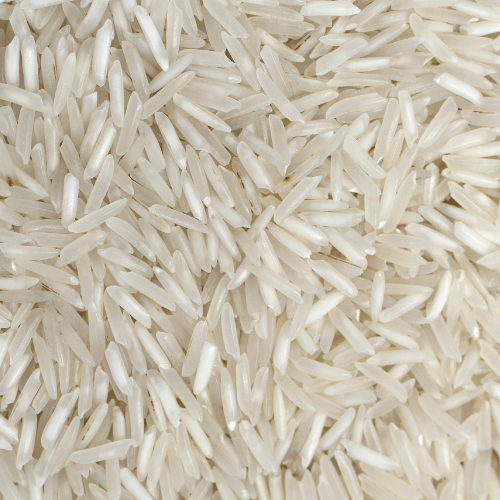
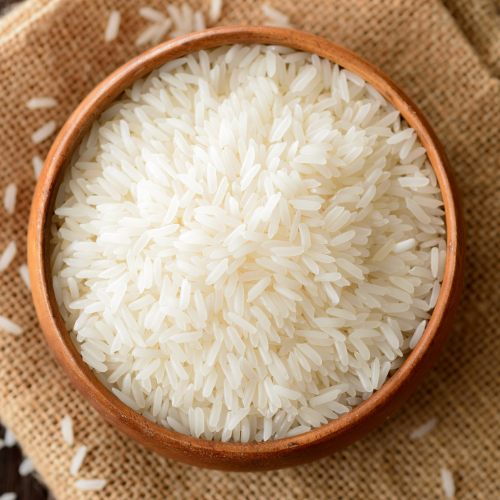
Rice varieties including Basmati and Sona Masuri
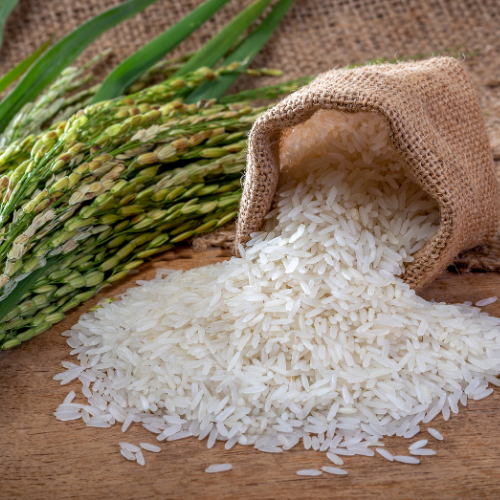
Rice is one of the most widely consumed staple foods in the world, with numerous varieties cultivated to suit different climates, tastes, and culinary traditions. Among the most popular premium varieties is Basmati rice, known for its long, slender grains, aromatic fragrance, and fluffy texture when cooked. It is primarily grown in the foothills of the Himalayas in India and Pakistan and is widely used in dishes like biryani and pulao. Another widely consumed variety is Sona Masuri rice, a medium-grain, lightweight, and less starchy rice mainly grown in southern India. It is valued for its soft texture, mild flavor, and easy digestibility, making it ideal for daily meals such as steamed rice, idli, and fried rice. Both varieties are highly preferred in domestic and international markets due to their quality, taste, and versatility in cooking.

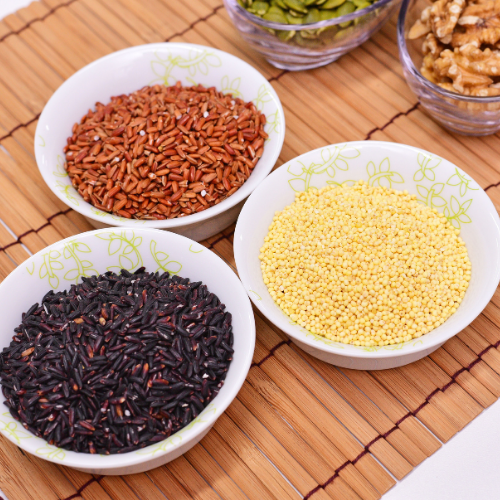
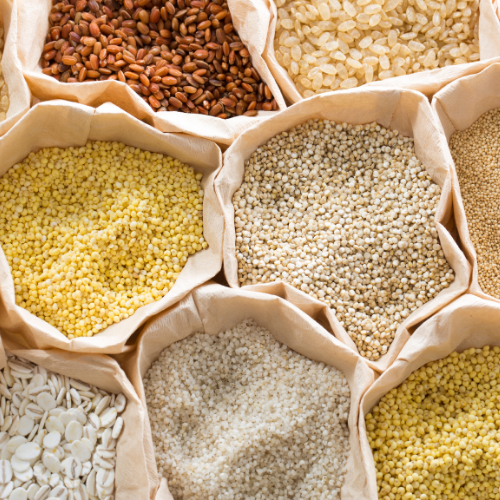
Indian millets: Ragi, Jowar, Bajra, and more
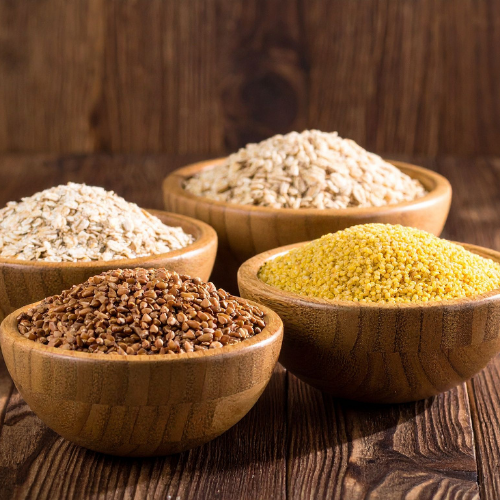
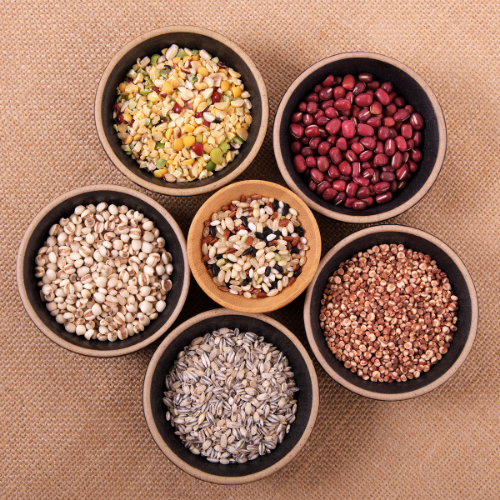
Indian millets such as Ragi (finger millet), Jowar (sorghum), and Bajra (pearl millet) are ancient, nutrient-rich grains that have been a staple in traditional Indian diets for centuries. These millets are highly valued for their resilience, as they grow well in dry and semi-arid regions with minimal water requirements, making them environmentally sustainable crops. Ragi is rich in calcium and ideal for bone health, Jowar is a great source of fiber and supports digestion, while Bajra is packed with iron and energy-boosting nutrients. In addition to these, other millets like foxtail, little millet, and barnyard millet are also gaining popularity due to their health benefits, gluten-free nature, and versatility in cooking. Today, millets are widely used in making rotis, porridge, snacks, and health foods, and are increasingly in demand in global markets as a superfood category.

Pulses: Toor dal, Moong dal, Urad dal
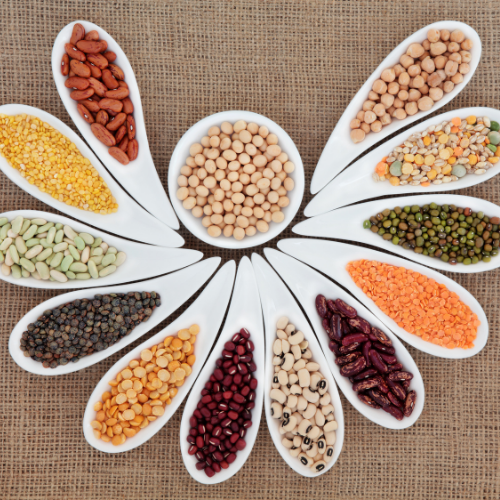
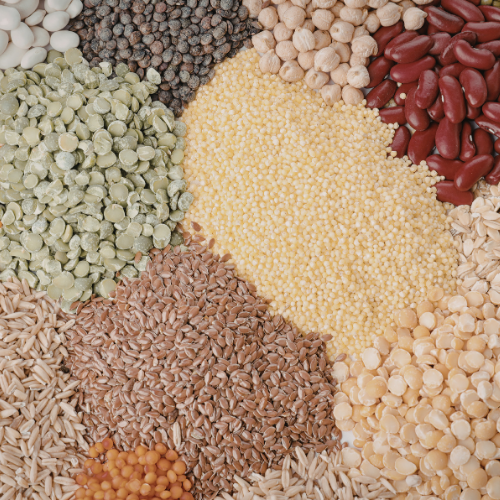
Pulses such as Toor dal (pigeon peas), Moong dal (green gram), and Urad dal (black gram) are essential components of the Indian diet, known for their high protein content and nutritional value. Toor dal is widely used in everyday dishes like dal and sambhar, offering a rich taste and good source of protein and fiber. Moong dal is light, easy to digest, and commonly used in khichdi, soups, and snacks, making it ideal for all age groups. Urad dal is known for its creamy texture and is a key ingredient in dishes like dal makhani, idli, and dosa batter. These pulses are not only nutritious but also play a crucial role in vegetarian diets, providing essential amino acids, vitamins, and minerals, while also being widely exported due to their consistent quality and global demand.

Spices from Guntur farmers

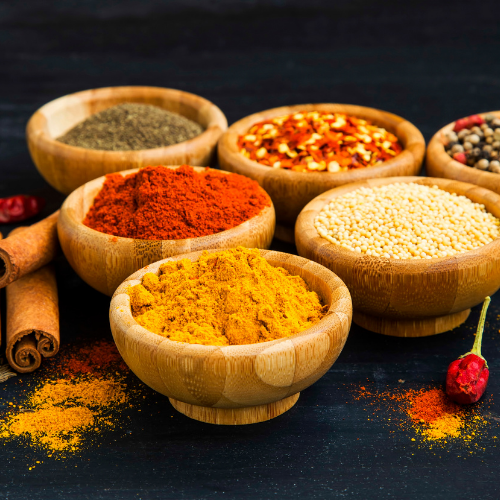
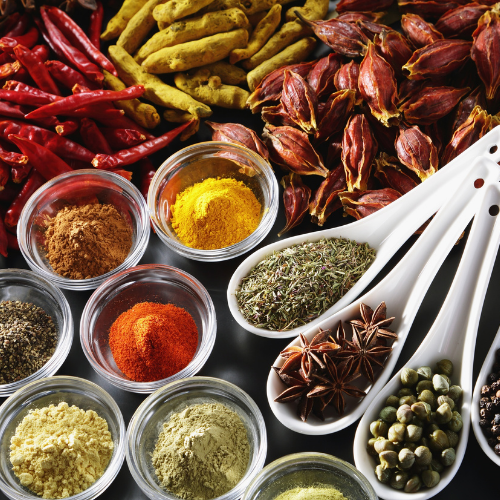
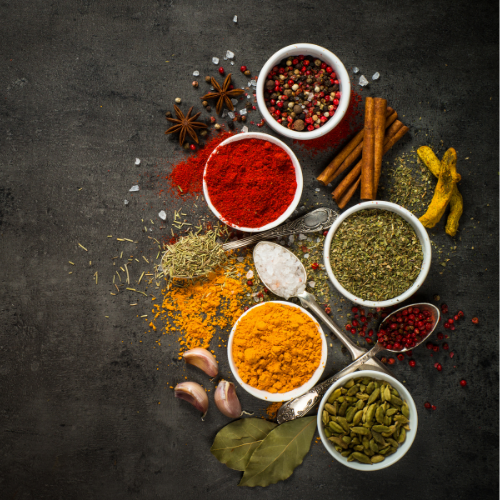
Spices sourced from farmers in Guntur, Andhra Pradesh, are globally renowned for their exceptional quality, vibrant color, and strong flavor profile, especially the famous Guntur red chillies. This region is one of India’s largest spice-producing hubs, where farmers follow traditional as well as modern cultivation practices to ensure high yield and consistent quality. Guntur chillies are known for their deep red color, rich aroma, and varying levels of pungency, making them ideal for spice blends, food processing, and culinary use across international markets. In addition to chillies, farmers in the region also cultivate other spices like turmeric and coriander, ensuring a diverse range of export-quality products. With strong supply chains, proper drying and grading methods, and adherence to export standards, spices from Guntur farmers are highly trusted by global buyers for their authenticity, purity, and competitive pricing.

Coffee beans

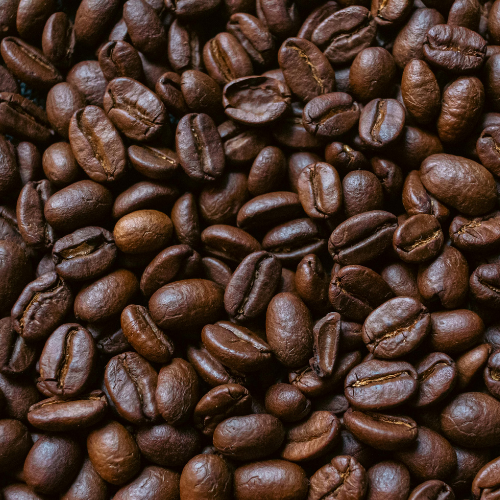
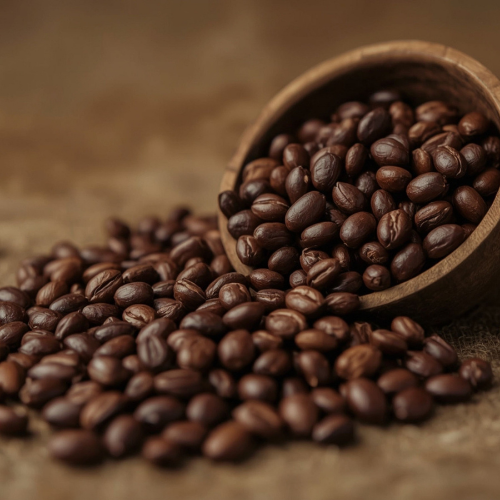
Coffee beans are the seeds of the coffee plant, widely cultivated in tropical regions and valued for their rich aroma, flavor, and stimulating properties. The two main varieties are Arabica, known for its smooth, mild taste and higher acidity, and Robusta, which has a stronger, more bitter flavor with higher caffeine content. In India, coffee is primarily grown in the southern states of Karnataka, Kerala, and Tamil Nadu under shaded plantations, contributing to its unique flavor profile. Coffee beans undergo several processing stages including harvesting, drying, roasting, and grinding, each influencing the final taste and quality. Widely used for beverages across the globe, coffee is also a significant export commodity, appreciated for its diverse flavor notes ranging from fruity and floral to bold and chocolatey.

Contact us

Phone

+91 70125 40576

Email

ainsoverseas@gmail.com

Address

NO. 3, BWSSB QUARTERS, BEHIND SBI BANK,
OPP. M/S FOURESS, 1st Stage, Peenya,
Bangalore 560058.